
Slocum Orthopedics

Building a Foundation for Brand Continuity & Patient Confidence

Lorem ipsum dolor sit amet, consectetur adipiscing elit, sed do eiusmod tempor incididunt ut labore et dolore magna aliqua. Ut enim ad minim veniam, quis nostrud exercitation ullamco laboris nisi ut aliquip ex ea commodo consequat.

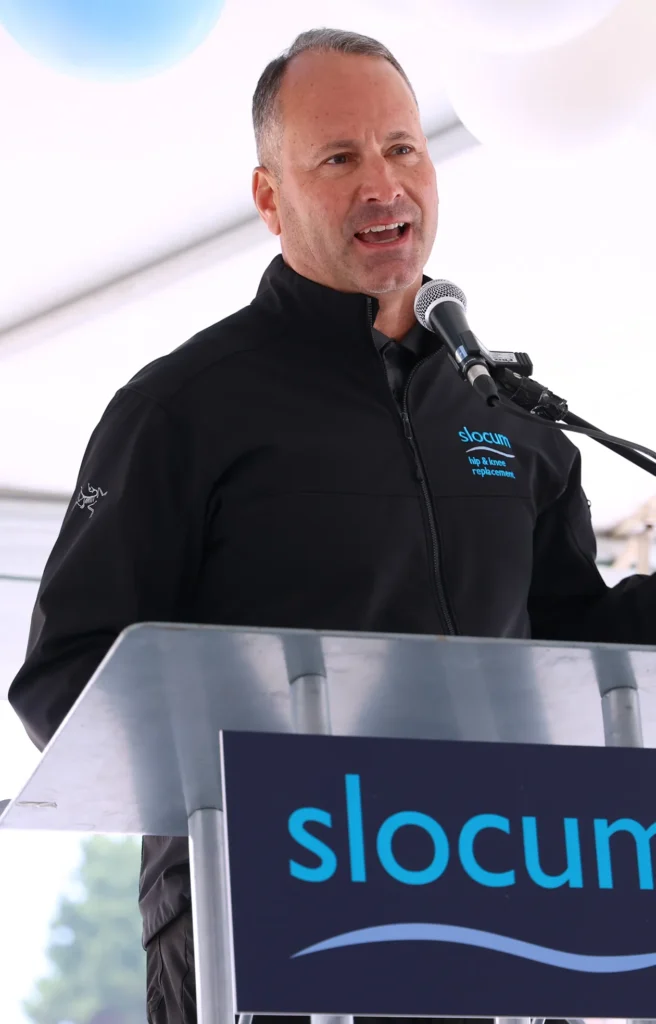
Todd Salnas, CEO, Slocum Orthopedics

// Healthcare

The Context

Slocum Orthopedics is a long-established, market-leading provider of orthopedic medicine and surgery in the Eugene-Springfield region. For decades, it has been a central institution in local and regional orthopedic care, with deep relationships across collegiate athletics, elite sports organizations, and the broader community.

When RDG Brands first engaged with Slocum, leadership recognized that the organization’s communications, digital presence, and patient-facing materials had not evolved at the same pace as the practice itself. As Slocum continued to grow in scale, sophistication, and authority, there was a clear opportunity to ensure that how the organization presented itself more fully reflected the quality of care and institutional strength behind it. The national orthopedic-agency model it had previously relied on had provided a functional baseline, but it was not designed to support the distinctiveness, complexity, or long-term positioning of a leading regional practice.

What started as a website engagement quickly widened. Over time, RDG’s role became a fully integrated, long-term strategic communications partnership. Today, RDG works directly with Slocum’s CEO and senior leadership team on communications strategy, sponsorships, community partnerships, patient communication systems, and long-range planning, while also coordinating with internal teams on day-to-day execution.

That integrated model gives Slocum access to healthcare marketing strategy, patient communications, digital execution, sponsorship management, community-partnership support, and day-to-day coordination without requiring leadership, physicians, or internal teams to manage each workstream independently.

  • 85+ Years of caring for the community
  • 100K Annual Patient Visits

The Challenge

Slocum’s challenge was not awareness, but alignment.

Its branding and marketing systems had developed over time in ways that no longer reflected a unified standard. Materials used across physicians and departments varied in quality, format, and source. The website had not kept pace with current expectations for usability, search performance, or patient experience, and patient education materials were uneven across service lines. Across digital channels, there was an opportunity to bring greater cohesion, clarity, and intention to the overall experience.
Those gaps were most visible at patient touchpoints: the website, intake and education materials, and digital engagement channels. These were important opportunities to build confidence, reduce anxiety, and communicate the depth of Slocum’s expertise more effectively.

The larger risk was gradual erosion. Slocum held a dominant position in the market, but leadership understood that position would need to be actively reinforced over time. Large corporate medical groups were beginning to enter the region with capital, marketing infrastructure, and the ability to reshape perception gradually. Without a deliberate communications strategy, Slocum’s reputation could become harder to sustain as senior physicians retired and new providers entered the market.

The work was also structurally complex. Slocum is a physician-owned organization with multiple specialties, stakeholder groups, and approval paths. Much of the work involved creating a stronger modern foundation that could support change over time. The challenge was not only identifying what should evolve, but how to sequence and sustain that evolution without overburdening internal capacity or repeating earlier cycles of inefficient spend.

Strategic Focus

RDG helped Slocum treat marketing as a strategic asset rather than a set of isolated projects. The objective was clear: Slocum needed to be seen not only as respected, but as the assumed first-choice and most credible provider of orthopedic care in the region.

That strategy was built on clarity, consistency, and credible external validation. Slocum’s role as official team physicians for the University of Oregon, TrackTown USA, the Prefontaine Classic, and other elite athletic organizations became central to how the brand expressed authority and trust. Those partnerships were renegotiated, clarified, and activated as visible proof points rather than left as passive affiliations.

RDG also made a deliberate decision to deemphasize physician-centric promotion in favor of strengthening institutional authority. The priority was to build Slocum as a medical institution, not present it as a loose collection of individual practices. At the same time, the work avoided the disruption of a full rebrand. RDG instead modernized and elevated the existing visual and verbal system, refining language, improving execution, and putting clear standards in place so communications could remain consistent across channels.

Because the scope of need was broad, prioritization was critically important. Work was staged according to impact, sustainability, and internal bandwidth. Strategy remained active throughout the engagement, adjusting as market conditions, organizational priorities, and new opportunities changed.

Turning Strategy Into Action

Execution began with patient-facing touchpoints. RDG focused first on the places where patients and families interacted directly with Slocum, making sure those experiences conveyed professionalism, compassion, and credibility.

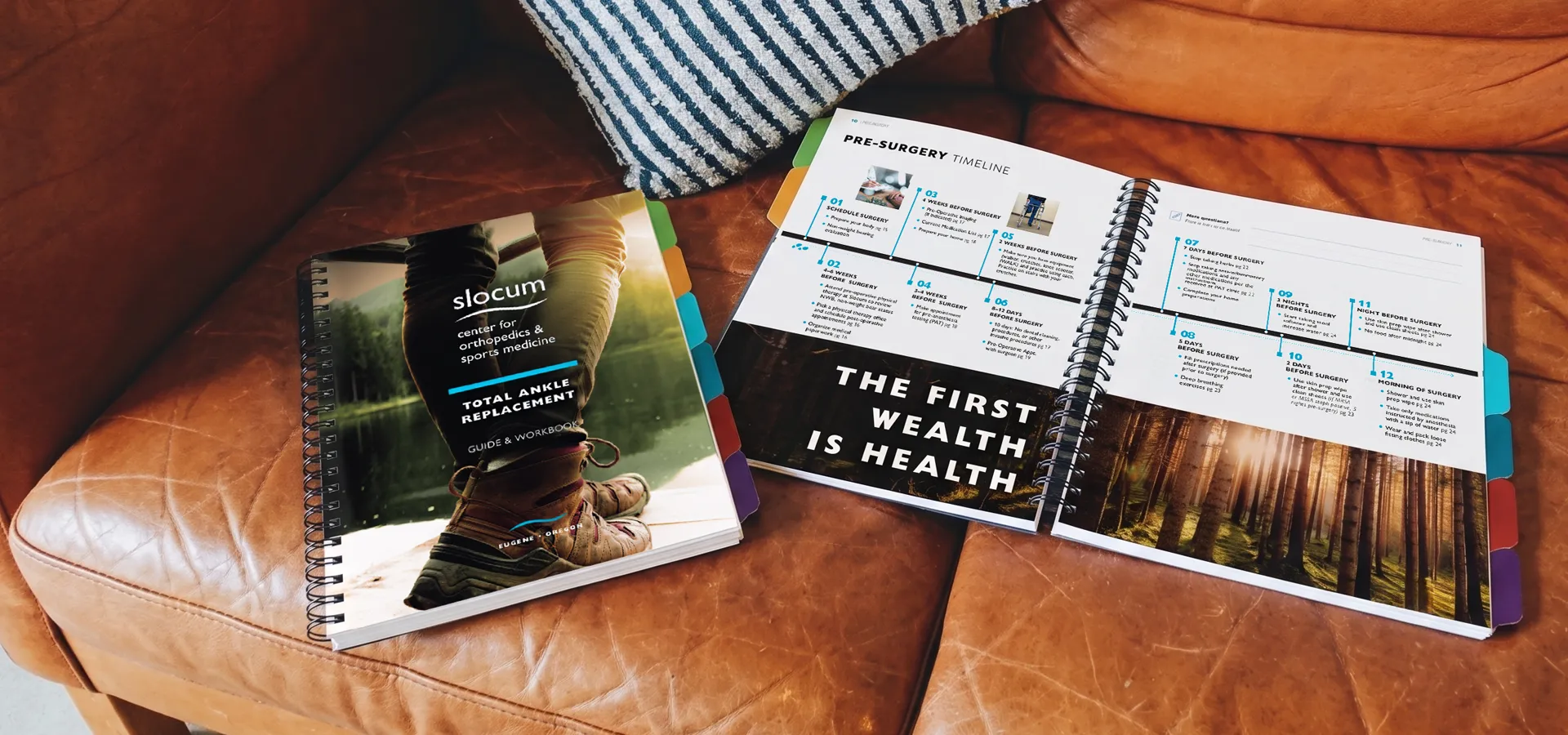
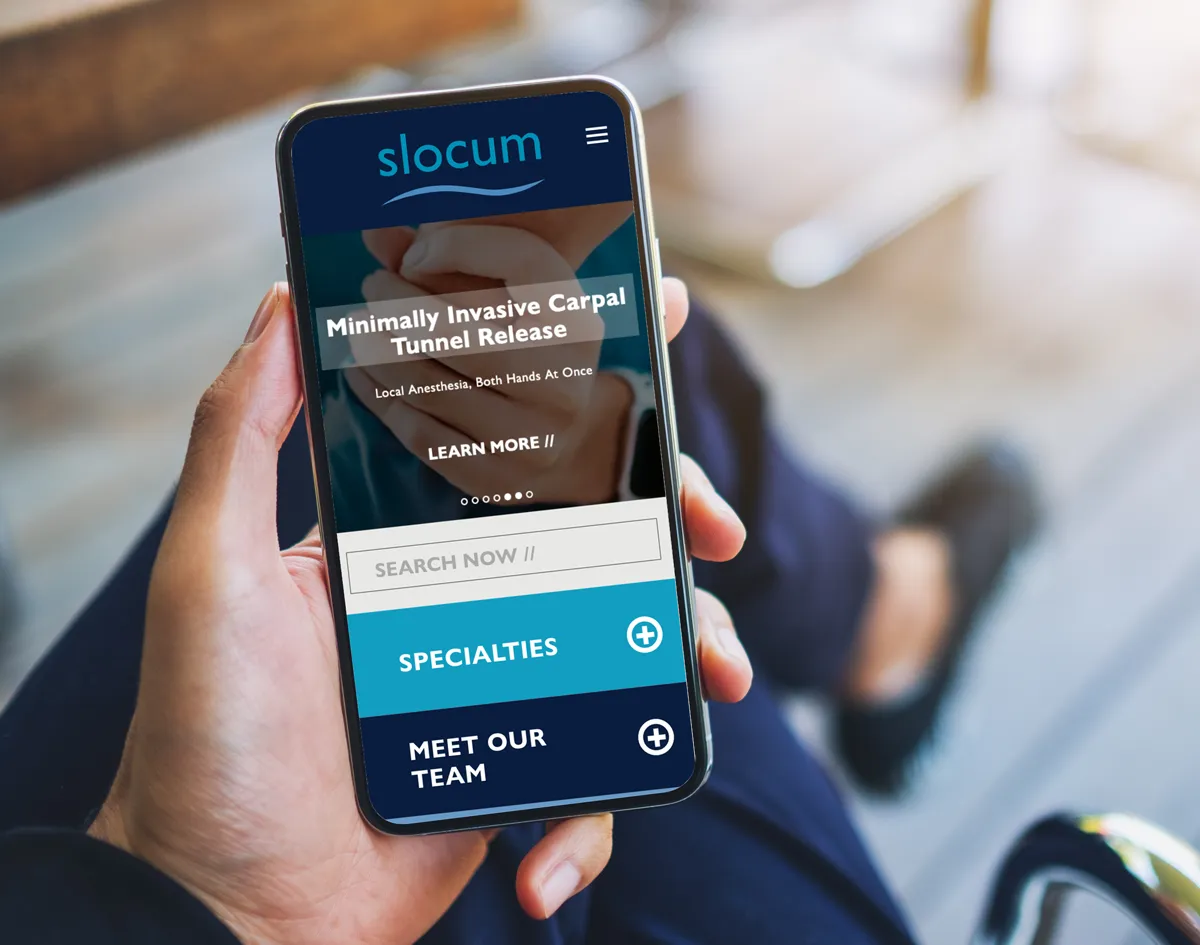
The website became a central platform, rebuilt and expanded in phases to support patient education, service discovery, and confidence-building. Patient education systems were redesigned to give people clear, consistent, and accessible information before and after procedures, reducing uncertainty and improving understanding.

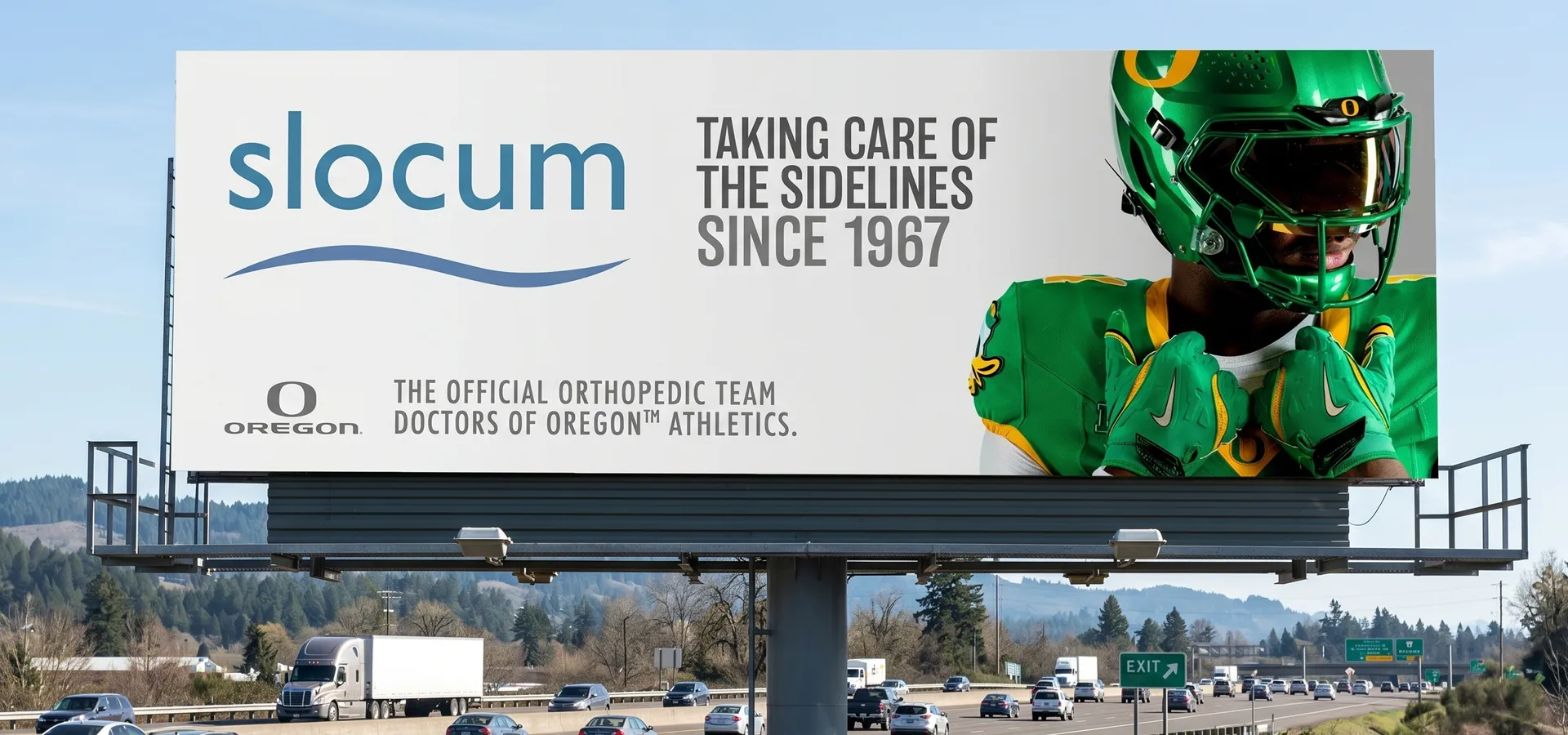
The partnership and market-position strategy was then expressed across channels. Billboards, digital campaigns, social media, and community presence all reinforced Slocum’s role in elite athletics, its exclusive board certifications, and its institutional depth. The messaging leaned on external validation rather than self-congratulation, using third-party credibility to strengthen trust.

As the foundational systems matured, RDG expanded into broader brand management: clarifying target demographics, strengthening community partnerships, formalizing sponsorship policies, and building content systems that could scale. RDG remained closely involved in prioritization, decision-making, and coordination, operating as an extension of leadership rather than as a conventional outside vendor.

That familiarity eventually made it possible to work proactively instead of reactively. RDG was able to identify structural needs and emerging opportunities before they became obvious externally, supporting efforts tied to new facilities, physician recruitment, and long-term reputation management. RDG also managed the coordination required across leadership, internal teams, production resources, media partners, sponsorship relationships, and community organizations, allowing Slocum to move multiple priorities forward within one strategic framework.
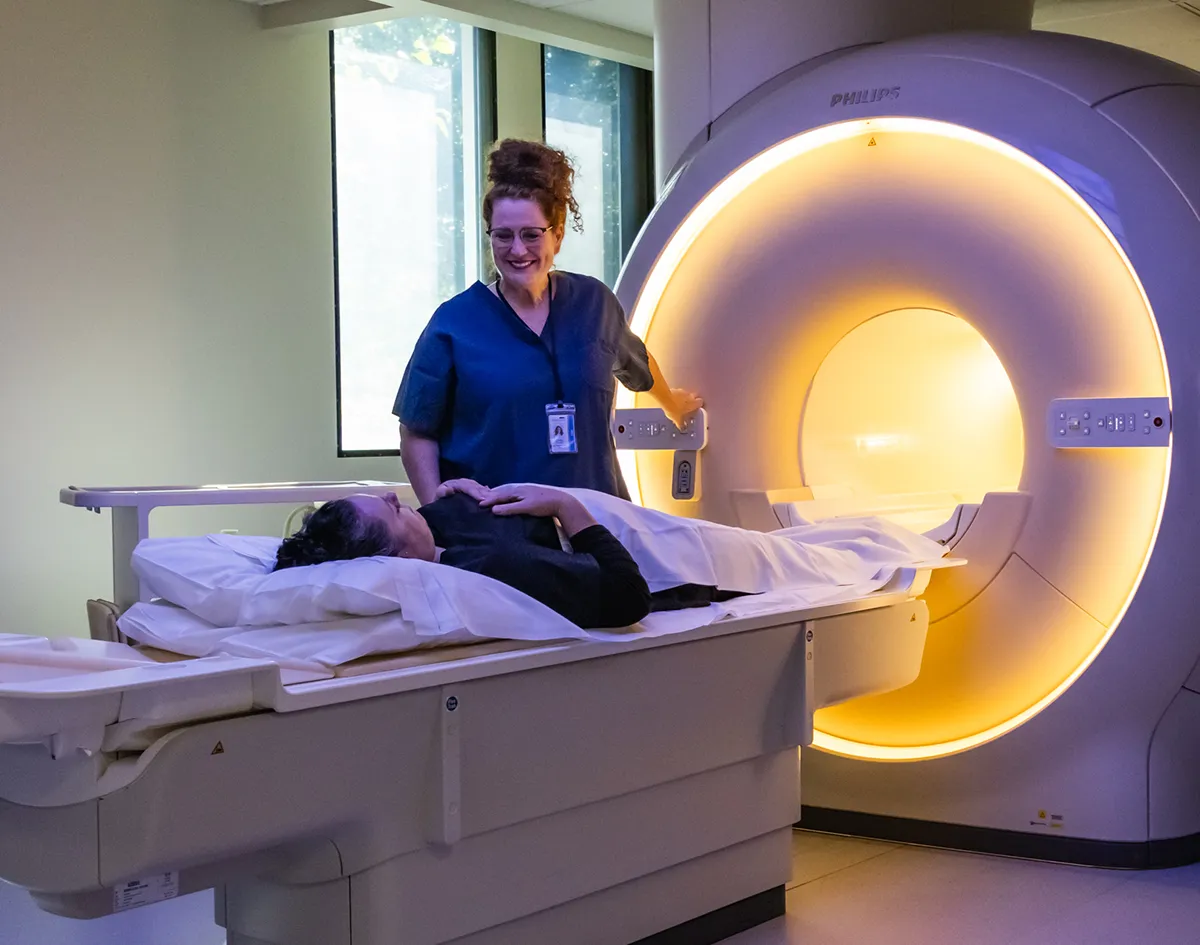
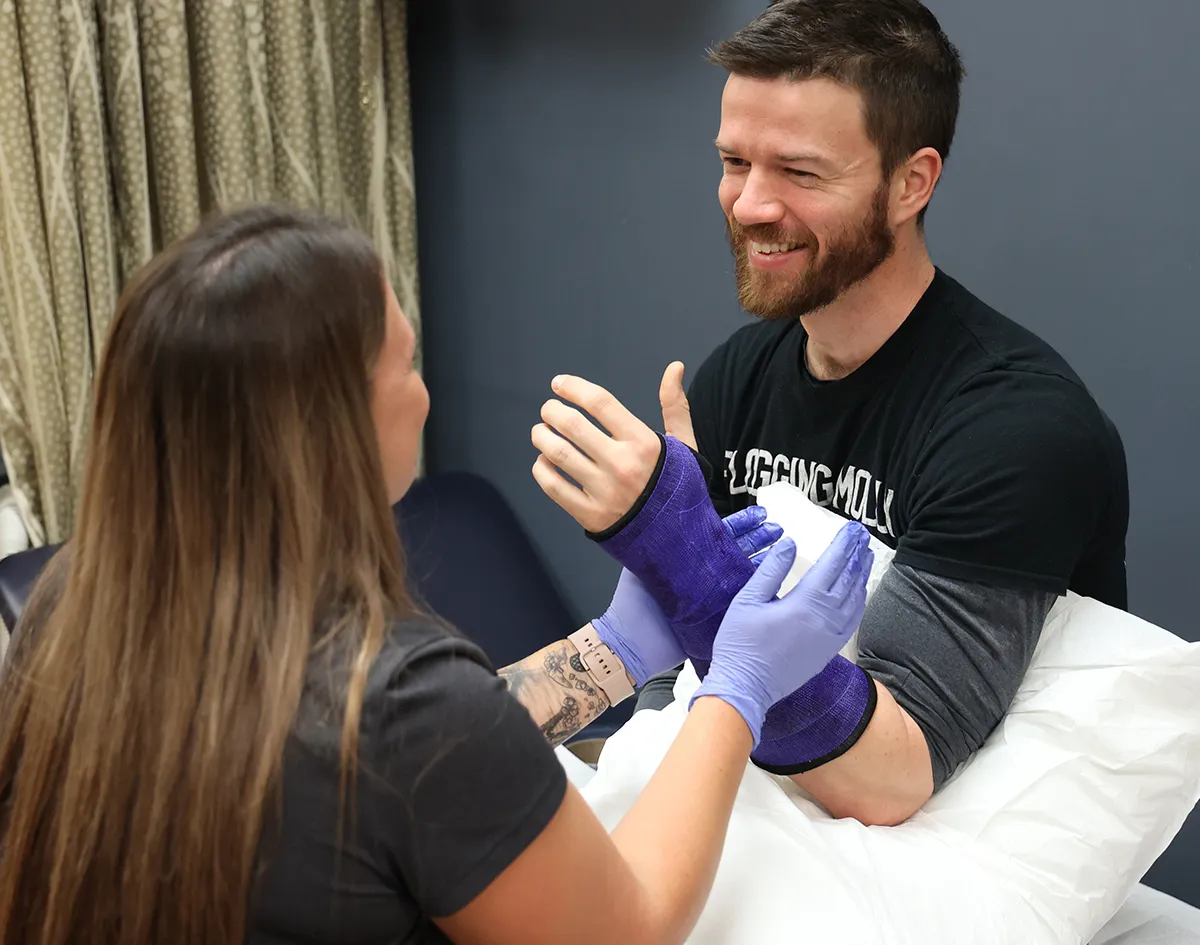
Real results for patients and doctors

The most important outcome was cohesion. Slocum’s marketing and communications became a unified system in which each channel reinforced the same standards, message, and market position.

Patients now encounter a more consistent experience across digital platforms, education materials, and in-person touchpoints. The messaging is clearer. Execution is consistently high-quality. Communications support both measurable performance and the slower work of building trust.

Internally, physician shareholders and leadership became more aligned around the long-term value of brand and reputation management. Marketing was no longer viewed as unnecessary promotion. It became understood as a forward-looking strategy for protecting Slocum’s position over the next several decades. Physicians shifted from passive observers to engaged participants.

Externally, Slocum’s partnerships deepened, community recognition grew, and its role as the trusted provider for elite athletes became more firmly established in the market. Even competitors began to acknowledge the strength of that position. Slocum now enters new partnerships, recruitment efforts, and community initiatives from a position of greater leverage.

Slocum leadership also gained a partner capable of managing priorities, coordination, and execution across a wide range of healthcare marketing and patient-communication needs, reducing the amount of operational oversight required from internal teams.

Strategic Partnership as a Brand Pillar

Strategic partnerships became central to positioning Slocum Orthopedics as both a regional medical leader and an active community institution. Rather than treating sponsorships as logo placements, the marketing strategy connected each relationship to specific audiences and brand objectives.

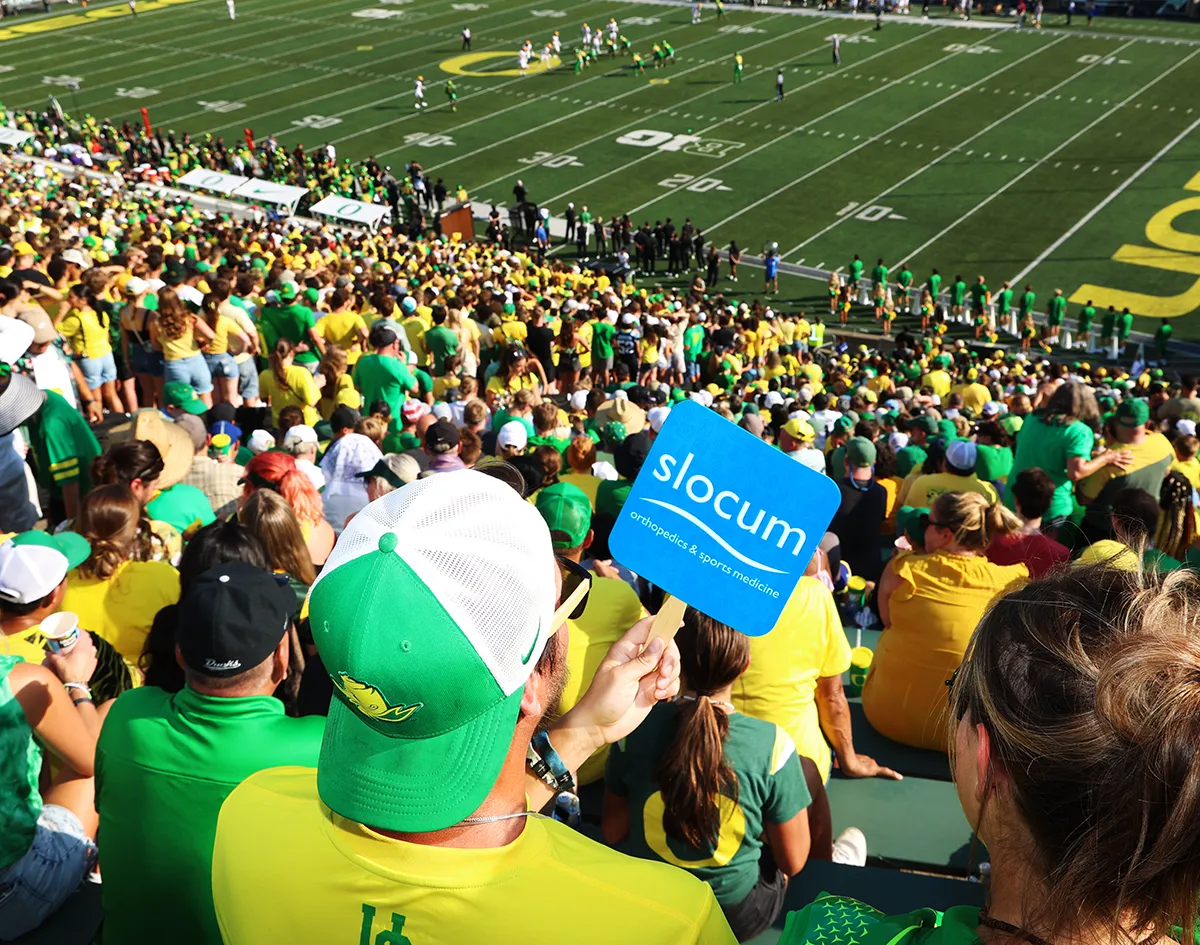
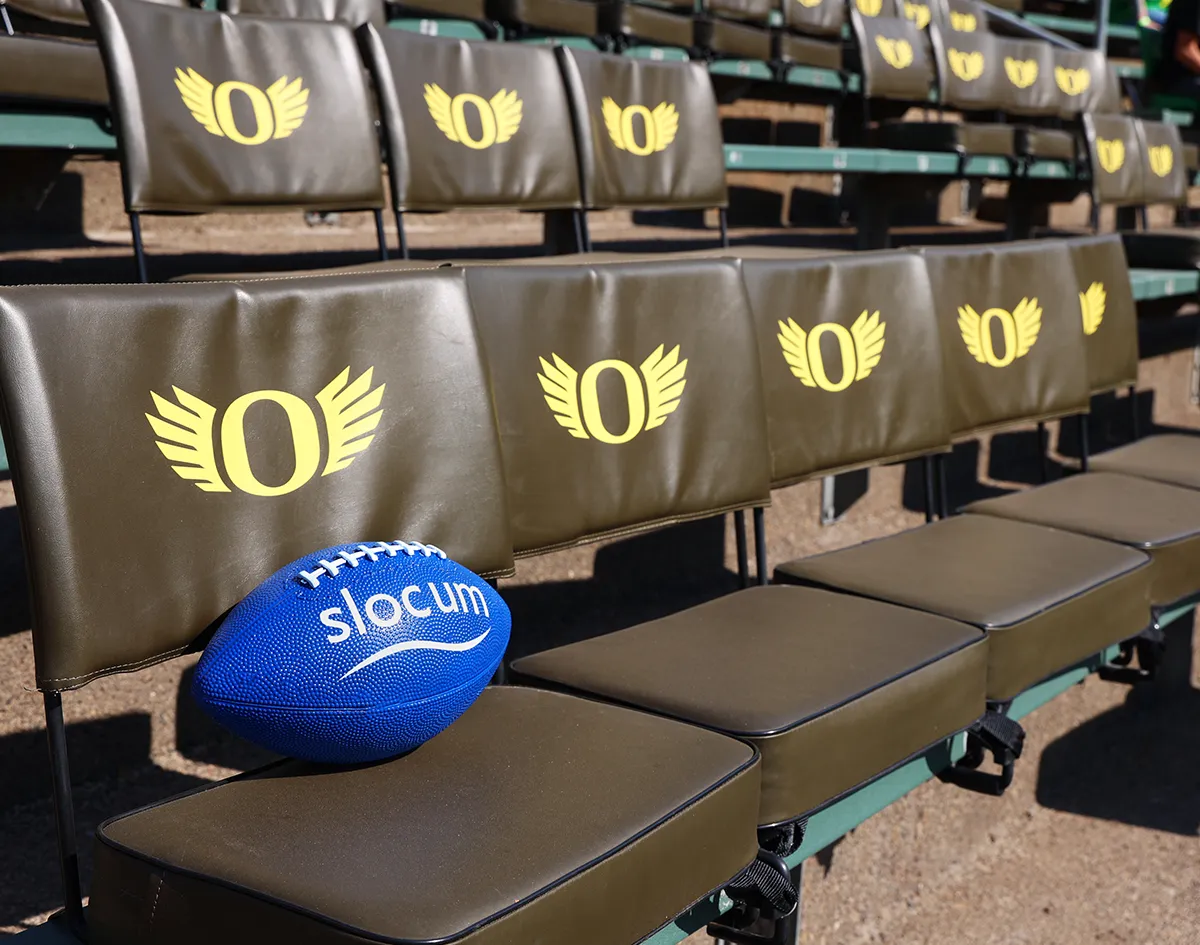
Slocum’s longstanding partnership with University of Oregon Athletics reinforced clinical expertise and trust. Its relationship with TrackTown USA connected that credibility to Eugene’s running culture, while the local Kidsports partnership built direct relationships with families, coaches, and young athletes through education and injury prevention.

Together, these partnerships provided visible evidence of Slocum’s values and created stories competitors could not easily replicate. They showed that Slocum was not simply located in the community, but actively invested in its health and institutions.

By integrating partnerships into advertising, digital content, public relations, and outreach, Slocum strengthened awareness and affinity across key patient groups. The result was a more human, locally relevant brand supported by trusted relationships and a shared commitment to keeping the community moving.

Heritage Becomes a Cornerstone of Communications

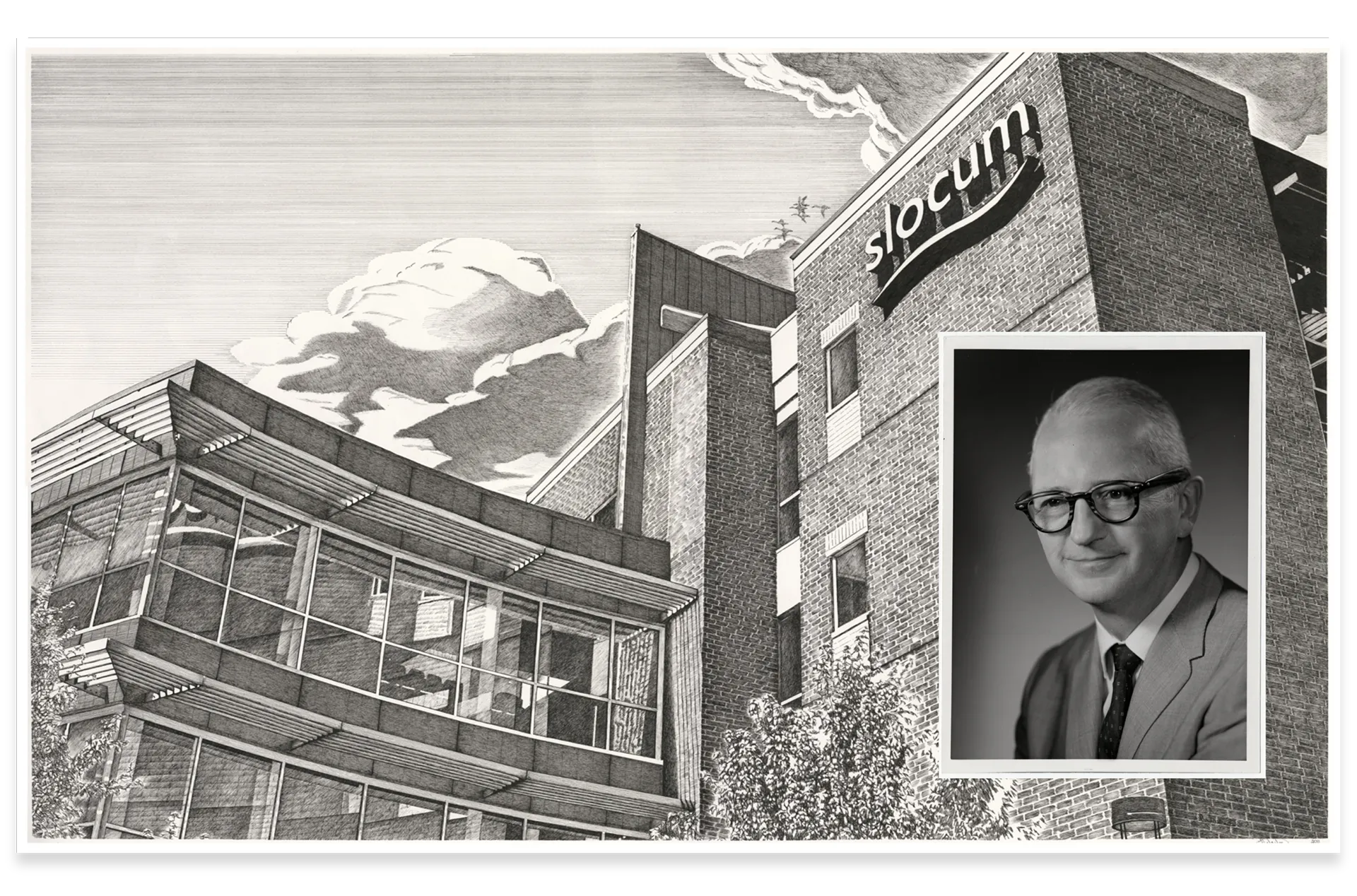
By bringing Slocum Orthopedics’ history into its marketing, RDG highlighted a largely untold legacy into a clear strategic asset. That history also provides a powerful thread illustrating Slocum’s organizational values and culture over 8 decades of care and community stewardship.  Stories rooted in the practice’s founding, sports medicine leadership, and longstanding community relationships strengthened trust, differentiated Slocum from larger healthcare systems, and connected its current growth to generations of local care.

How RDG Builds Institutional Advantage

This engagement reflects the role RDG plays for established, market-leading organizations that are not looking for visibility for its own sake, but working to protect and extend institutional advantage over time.

At Slocum, the central issue was not awareness. It was the gap between what the organization was and how it was experienced. RDG’s role was to close that gap by building a communications system capable of carrying the full weight of Slocum’s reputation, scale, and clinical authority. That called for judgment, sequencing, and sustained involvement, not a one-time initiative.

The work also reflects how RDG operates in environments where brand, operations, and patient experience are tightly connected. Strategy created alignment across leadership and physicians, then moved into systems that could be applied consistently across patient education, digital platforms, partnerships, and community presence. The aim was consistent throughout: make Slocum’s credibility visible, understandable, and durable in every interaction.

Long-term partnership was essential to that process. As RDG remained embedded, communications stopped functioning as a series of disconnected outputs and started functioning as infrastructure. New initiatives could be evaluated, prioritized, and executed within an established framework, reducing friction and improving confidence across the organization.

This is especially relevant in healthcare and other high-trust sectors, where reputation compounds slowly and weakens quietly. The threat is rarely immediate. More often, it builds over time. Slocum recognized that early and chose to invest before outside pressure forced a response.

What emerged was not only a stronger brand presence, but a more resilient organization, one with communications systems that support leadership transition, reinforce market position, and continue to scale with the practice.

That is the role RDG is built to play: helping organizations convert long-standing credibility into systems that protect it.

Ready to Strengthen Your Communications?

If your organization is facing similar challenges in navigating complexity, building alignment, or reinforcing your market position; RDG Brands can help.
Start a conversation. We’ll listen first, understand your goals, and be clear about whether we’re the right fit.

RDG Brands // Healthcare

What can RDG do for you?

We’re here to find creative solutions, develop tested strategies and action plans that work, and then execute those strategies and plans for successful outcomes.

Find out