Oregon Department of Agriculture

Creating Lasting Impact Beyond Individual Projects and Funding Cycles

Our partnership with the Oregon Department of Agriculture works because we understand how public agencies operate. We listen carefully, work within real constraints, and stay closely involved from strategy through execution to help complex initiatives move forward with clarity and confidence.

Seth Revoal, CEO, RDG Brands

// Government + Public Sector

The Context

Public agencies are often asked to deliver long-term public value through short-term, tightly restricted funding. That tension sits at the center of RDG’s long-standing relationship with the Oregon Department of Agriculture.

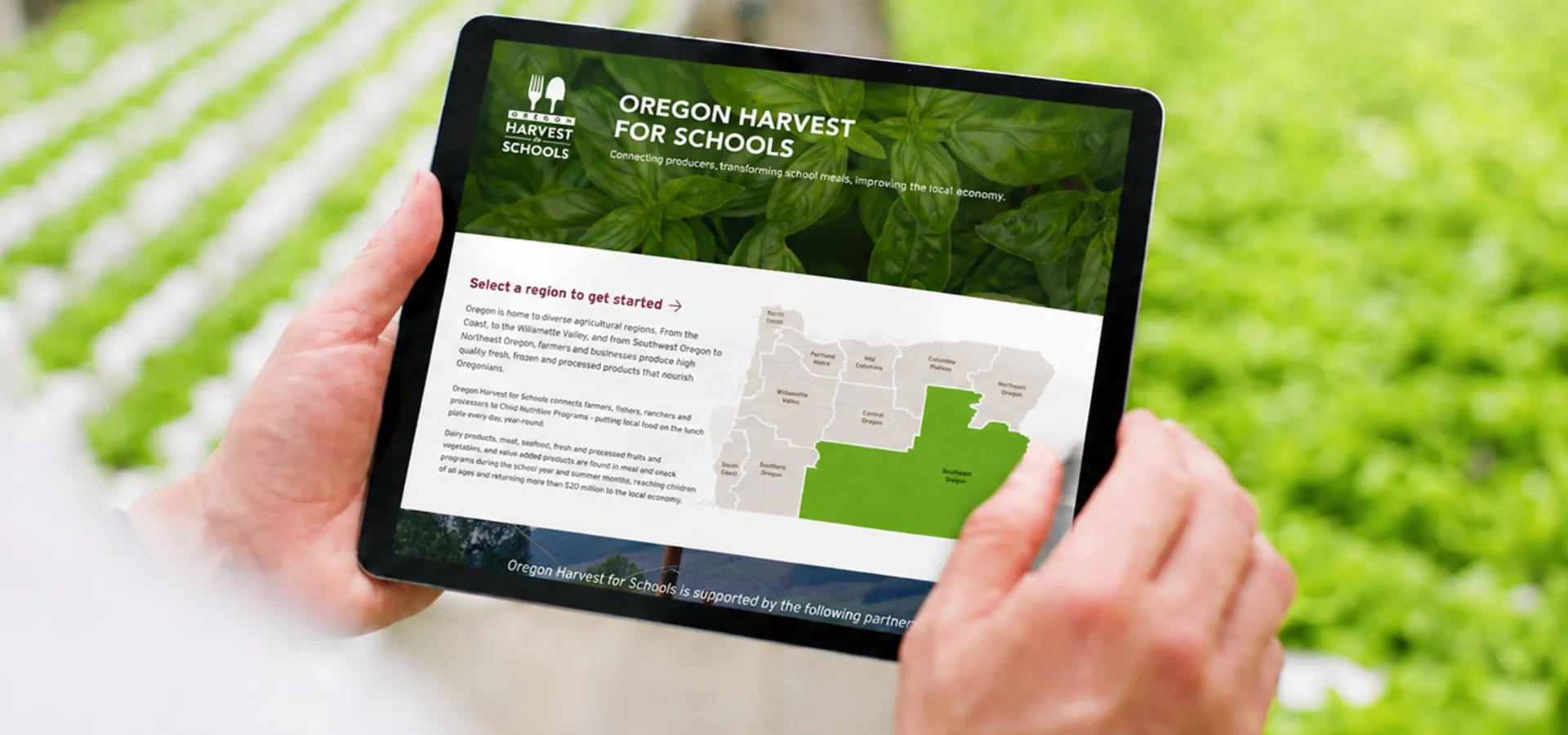
Over many years, RDG has supported ODA across producer outreach, consumer education, specialty crop promotion, school-based programs, statewide storytelling, photography, video production, campaign development, and strategic communications. The work spans direct departmental communications as well as initiatives including Farm to School, Oregon Harvest for Schools, Oregon Crunch, the Oregon Bee Project, specialty crop programs, and field-based photography and interview projects documenting farmers, food producers, fisheries, and agricultural partners across Oregon.

The value created by the relationship with RDG is more than the number of projects or the variety of deliverables. RDG’s role has been to help ODA turn fragmented funding streams and narrowly scoped initiatives into a stronger, more durable communications system.

  • 43 Years of combined public sector experience
  • 13 Municipalities and public agencies
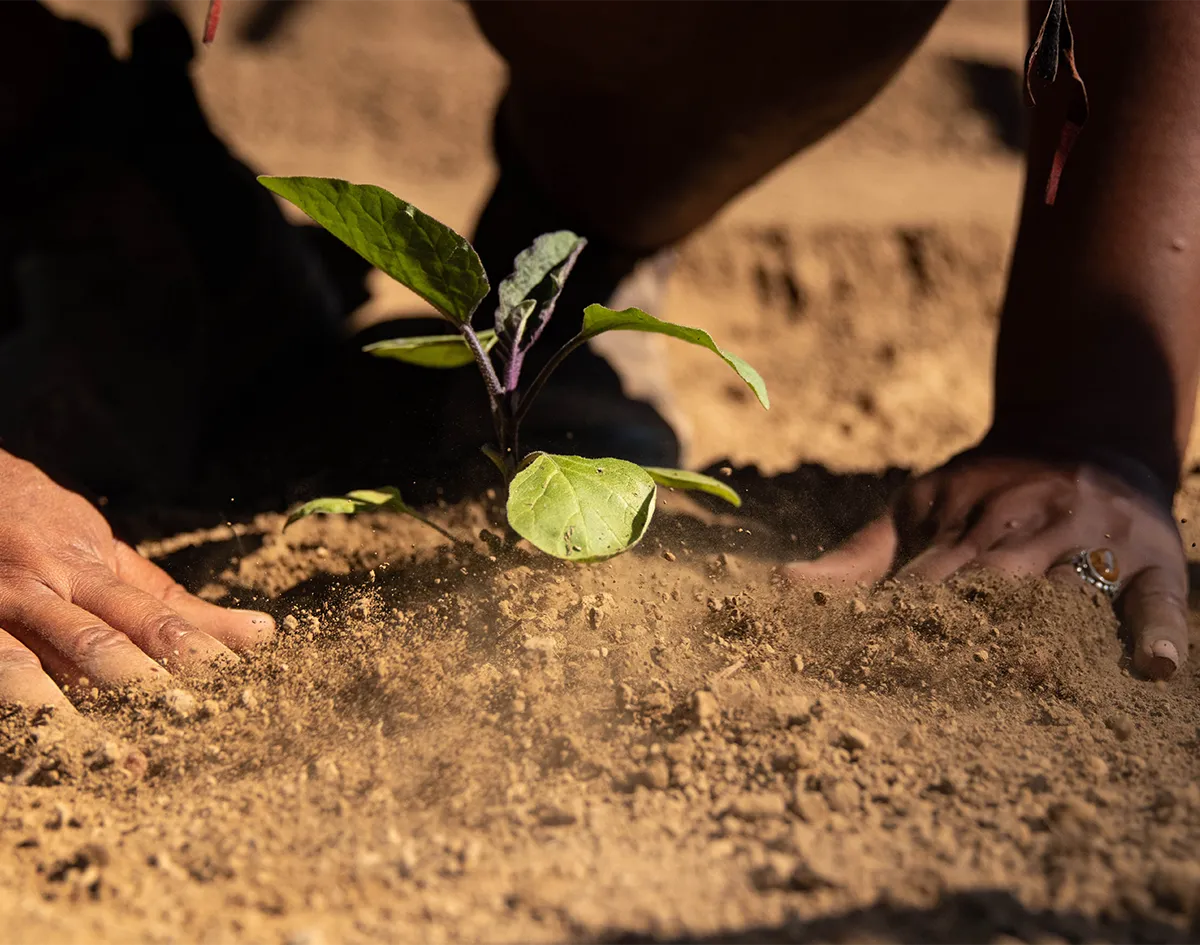
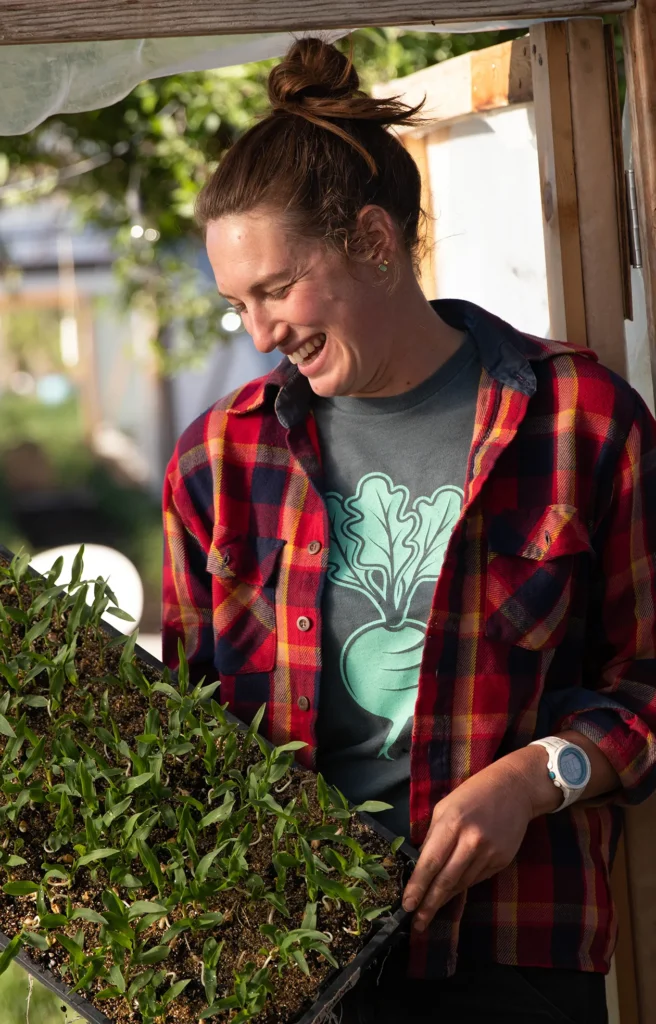
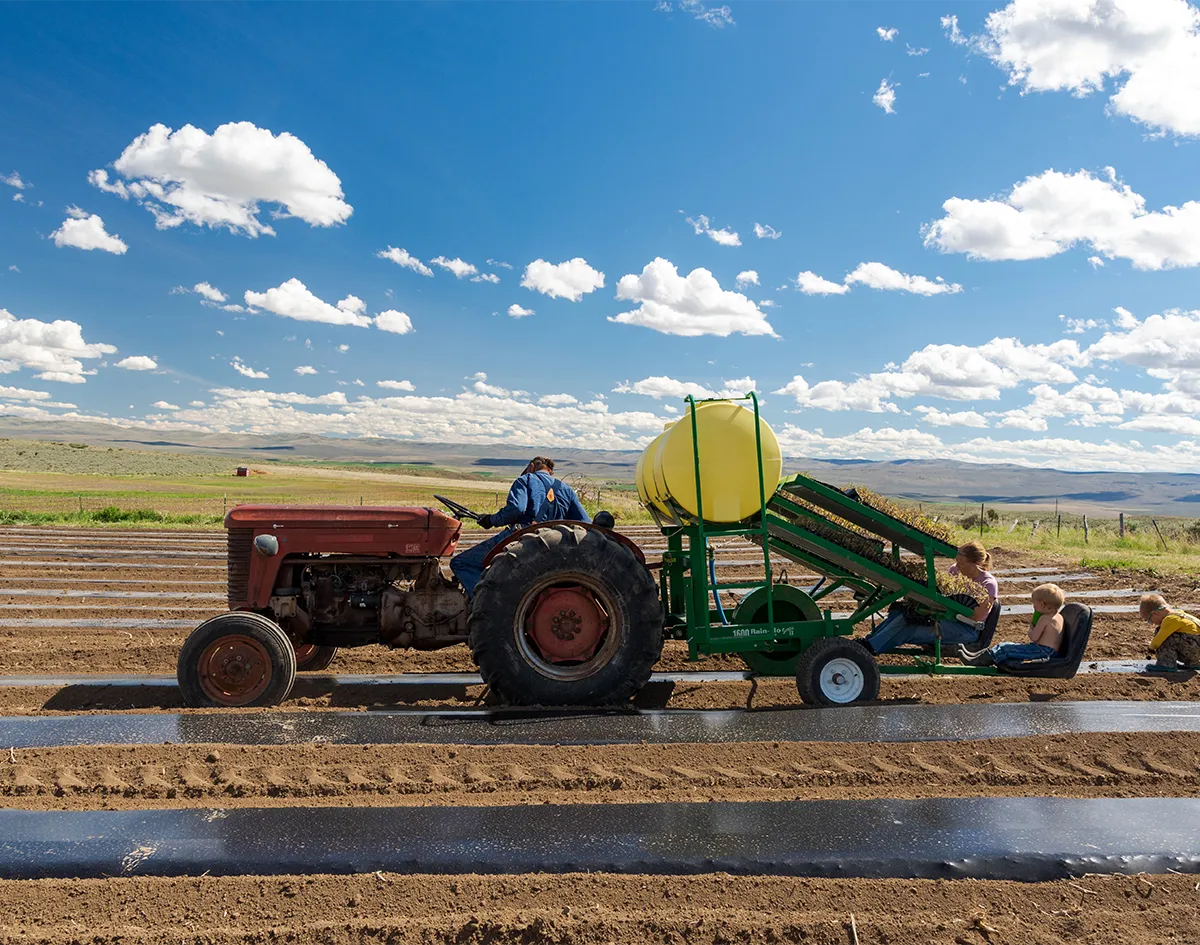
farmer holding pallet of plant starts

The Challenge

Like many public agencies, ODA operates in conditions that make long-term communications strategy difficult to sustain.

Funding often arrives in short-term, highly specific forms. Projects may be tied to narrow program objectives, fixed deadlines, detailed reporting requirements, and restricted uses of funds. In that environment, communications work can easily become fragmented. One project serves one purpose. One budget produces one set of deliverables. Funds are spent appropriately and on time, but little lasting value is built across years, initiatives, or stakeholder groups.

That creates a serious strategic problem.

When each project is treated as standalone work, agencies often end up with disconnected campaigns, underused assets, inconsistent quality, and limited long-term return on significant public investment. The contract may be fulfilled, but the work does little to strengthen the agency’s broader communications capacity or deepen its relationship with the people it serves.

For ODA, the challenge is amplified by the complexity of the audiences involved. Depending on the initiative, communications may need to reach farmers, growers, fisheries, food manufacturers, educators, students, families, consumers, distributors, or internal stakeholders. Each project has its own defined objective, but the department’s broader mission calls for more continuity than project-by-project execution usually allows.

The real issue is not how to complete individual assignments successfully. It is how to make each assignment contribute to the department’s long-term effectiveness.

Strategic Approach

RDG approaches this relationship as a strategic partner rather than a conventional government vendor.

Instead of focusing only on the immediate requirements of each contract, RDG works to understand the larger mission the department is advancing, the stakeholders it needs to reach, and the ways one project can strengthen the next. That means looking past the immediate scope of work and asking a larger question: how can this project leave the department better equipped for what comes after it?

That perspective shapes the relationship at every level.

Each assignment is handled with the standards, rigor, and initiative more often associated with strong private-sector marketing teams. The objective is not limited to producing deliverables on time. RDG helps ODA communicate more effectively, build stronger relationships with stakeholders, and create assets and systems that can be reused, extended, and built upon over time.

A key part of that work is capacity building. RDG develops assets, templates, and materials that ODA staff can use, edit, and deploy on their own, without having to return to RDG every time they need to make something work in the field. That gives the agency more flexibility day to day and helps ensure the value of the work continues long after a particular contract or funding cycle ends. The goal is to leave behind evergreen tools, not dependence.

RDG also takes responsibility for much of the coordination required to deliver the work. Depending on the engagement, that can include statewide field logistics, producer and partner communication, interview scheduling, photography and video production, campaign development, approvals, billing documentation, vendors, and project management. ODA retained appropriate oversight without having to carry the operational weight of every assignment internally.

At the same time, RDG understands that public-sector communications cannot be approached as though government constraints are incidental. A major part of the value comes from operating effectively within those realities: procurement rules, funding restrictions, billing requirements, project controls, and administrative expectations. Few partners combine that kind of operational fluency with high-level strategic and creative support. RDG’s ability to do both allows it to serve ODA as a communications partner that is not only strong creatively, but dependable in practice.

From Project Work to Portfolio Value

A defining principle across the relationship is cumulative value.

Each project is developed to produce more than its immediate deliverables. A photography assignment creates not only finished images, but a broader visual asset library. A video project produces a final piece, along with footage, interviews, B-roll, and story material that can support future efforts. A field-based storytelling project generates content, while also building trust with farmers, producers, and agricultural partners across the state.

Over time, those assets accumulate into something much more useful than a series of one-off outputs.

ODA builds a library of photography, video, interviews, and field documentation that can be reused across programs and campaigns. Just as important, it builds a network of relationships. When new initiatives emerge, RDG is often able to return to people and communities it has worked with before, drawing on trust established through earlier projects. That makes subsequent work faster, stronger, and more credible while reducing the friction that often comes with outreach in highly specific agricultural communities.

Short-term funding, handled this way, creates lasting strategic value.
Flexibile, Responsive Support for a Wide Range of Projects

Program Promotion and Support

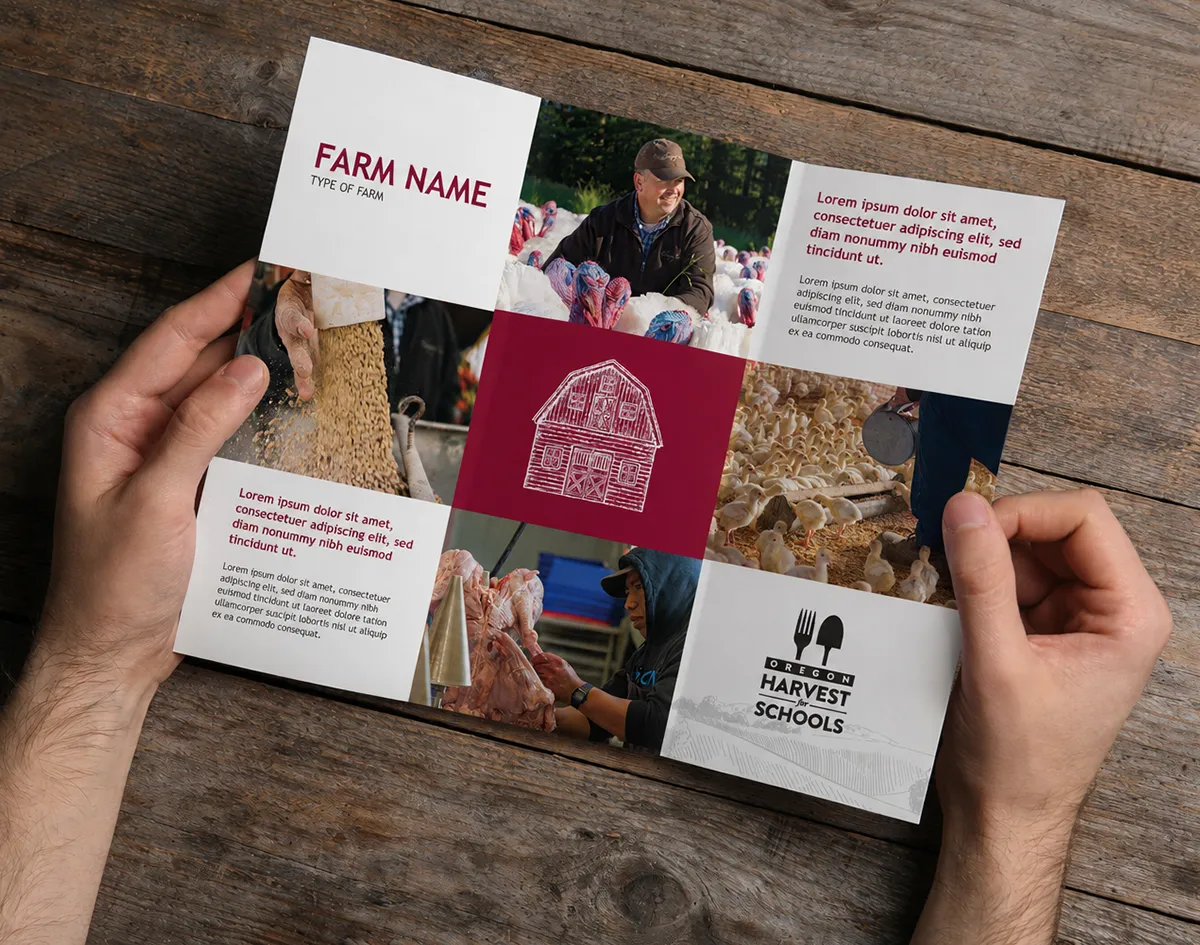
RDG partnered with the Oregon Department of Agriculture to build awareness and participation in its Farm to School program. We created a coordinated communications strategy and accessible campaign materials for schools, families, producers, and community partners. Our work included inclusive, multilingual outreach for Oregon Harvest for Schools. The result was a clearer, more engaging way to communicate a complex statewide initiative.

Statewide agricultural storytelling

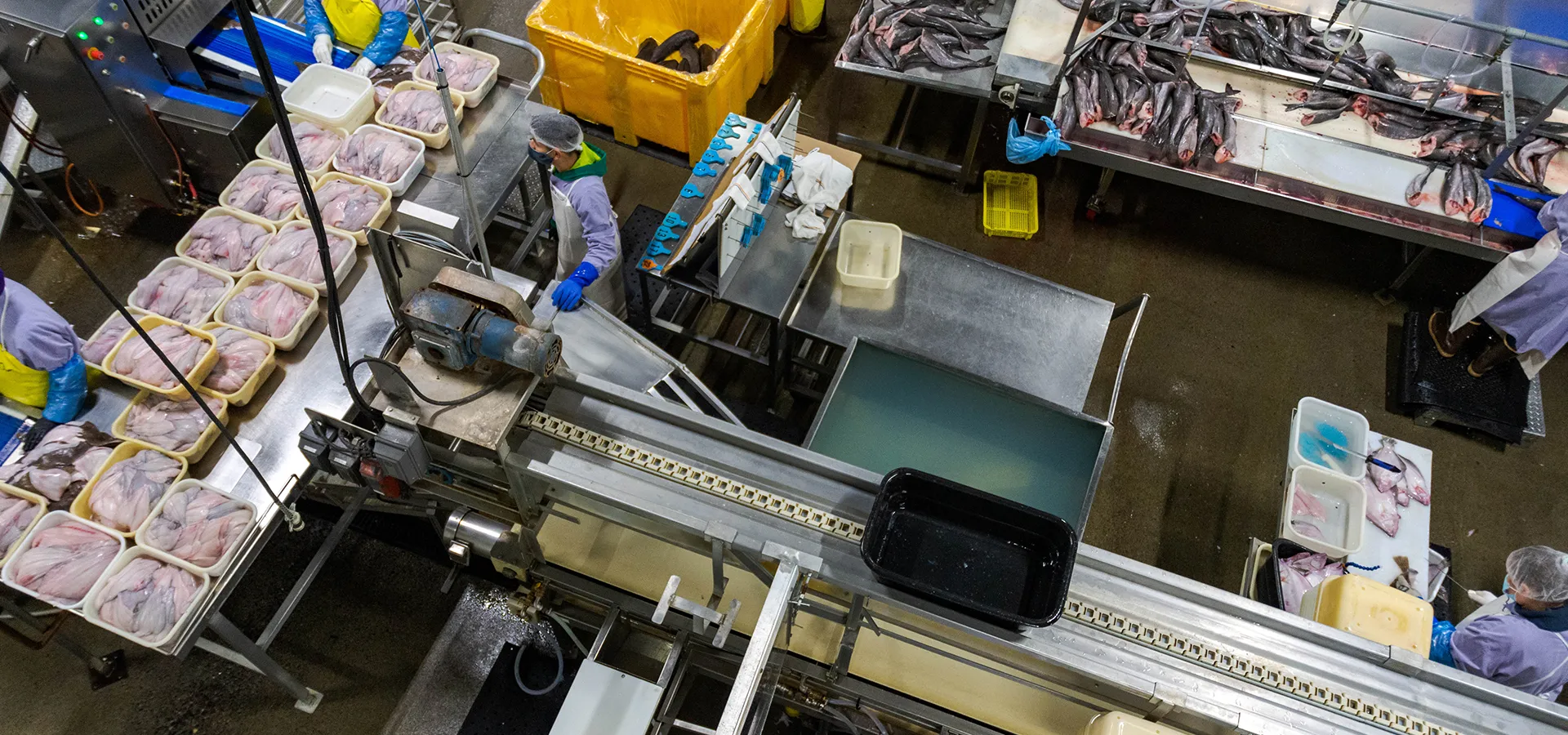
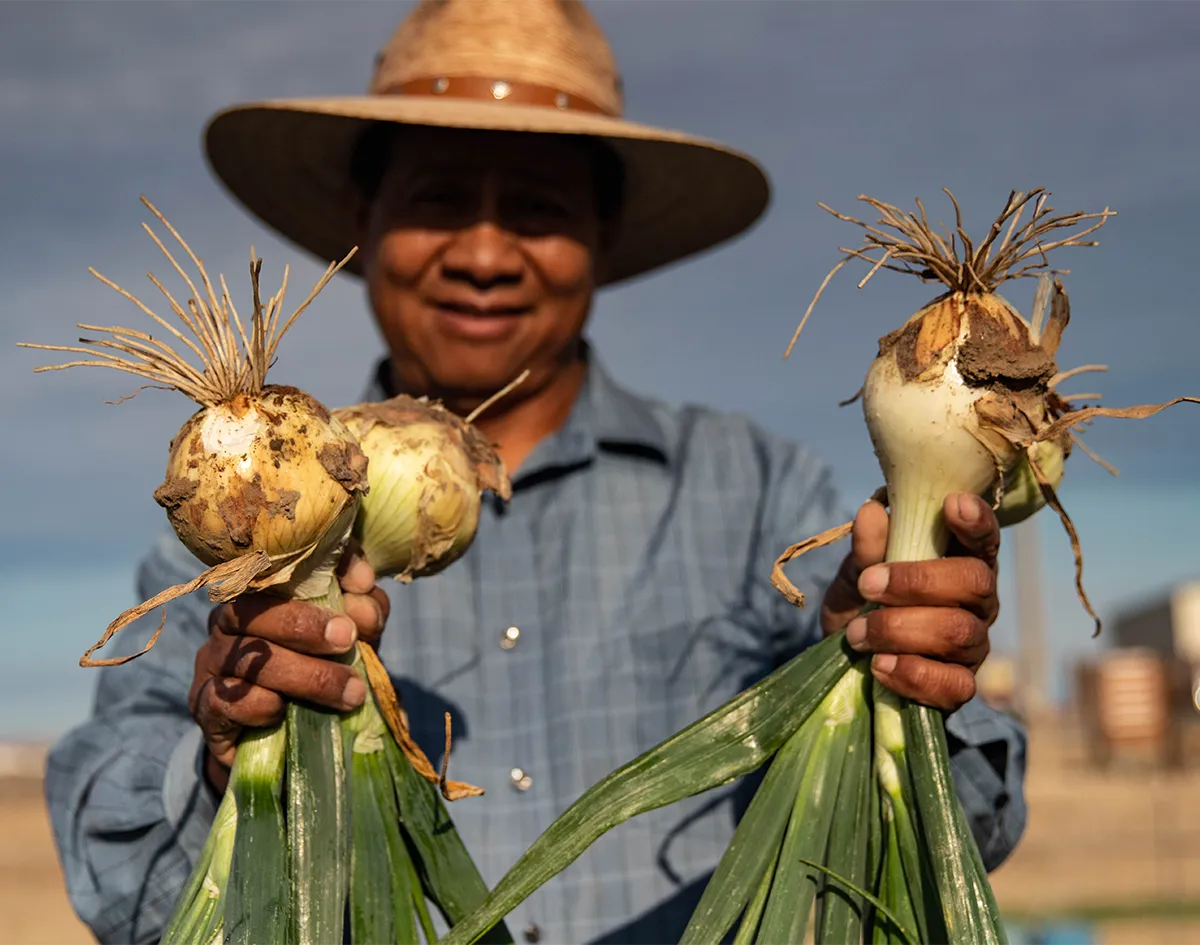
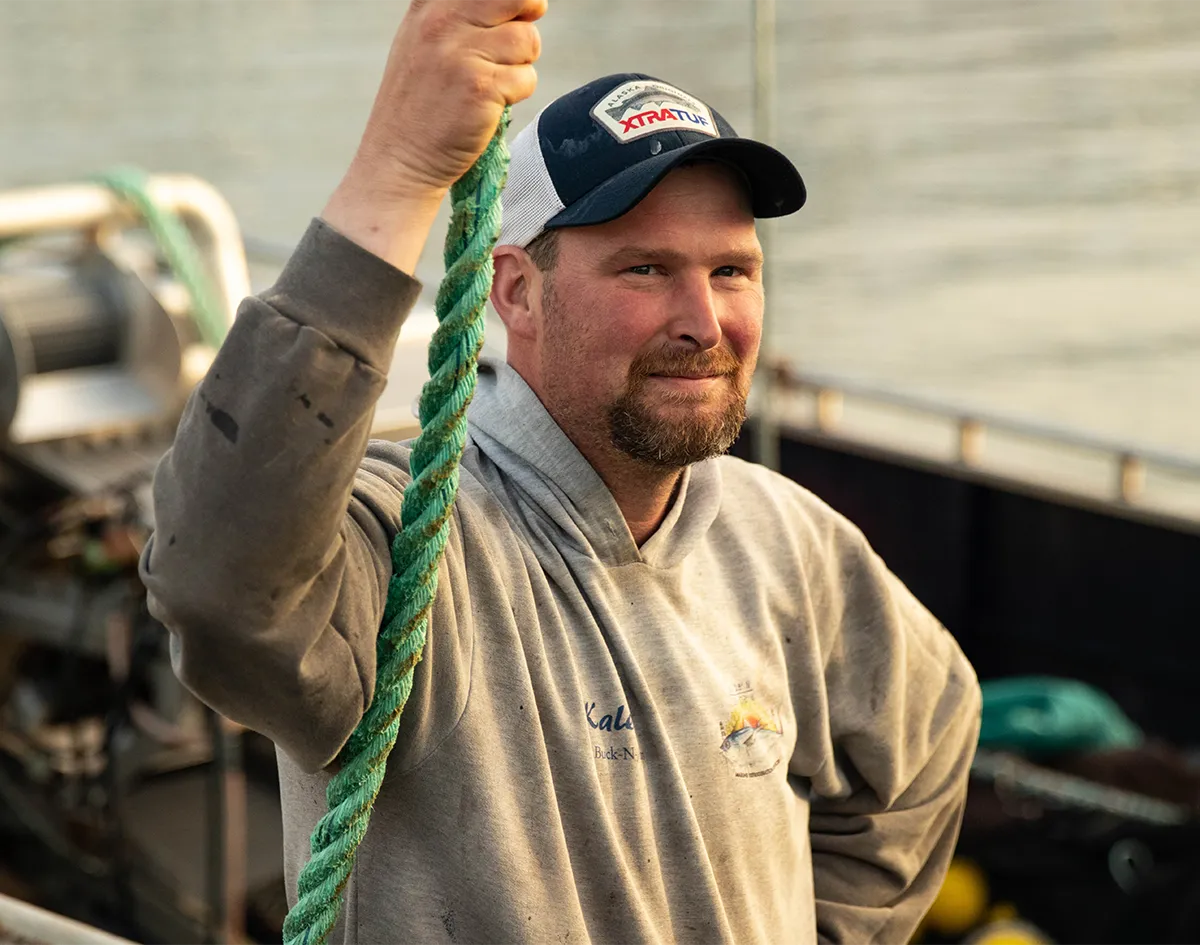
RDG conducts photography and interview work across Oregon, documenting producers, growers, food manufacturers, fisheries, and agricultural communities. This work helps humanize Oregon agriculture, gives the department a stronger body of visual and narrative assets, and builds relationships that can support future outreach and communications.

Specialty crop and sector-specific communications

Through grant-supported and initiative-specific work, RDG helps promote Oregon agricultural sectors and tell stories that connect producers, products, and broader public understanding. That work supports immediate program goals while also strengthening the department’s broader role in advancing visibility and engagement across Oregon agriculture.

Oregon Bee Project

RDG helps communicate the importance of pollinator health, behavior-change, and agricultural stewardship through accessible, public-facing content. The work also reinforces ODA’s role as a constructive, supportive partner to the agricultural sector rather than a purely regulatory body.
Farm to School, Oregon Harvest for Schools, and Oregon Crunch

These initiatives require behavior-change communications, stakeholder engagement, and broad public participation. RDG develops campaigns, messaging, and materials that connect schools, families, students, and producers while building long-term visibility for the programs and reusable campaign infrastructure for future work. In Farm to School, that work more than doubled participation in the program after the first year.

Cross-program communications support

Beyond any one campaign, RDG strengthens the department’s broader communications capacity through planning, project management, creative development, production, and the creation of systems and materials that improve consistency across initiatives and raise the standard of execution.

A Higher Standard for Public-Sector Communications

A defining feature of this relationship is RDG’s view that government work deserves the same level of strategic and creative seriousness as strong private-sector work.

Public-sector communications are too often treated as compliance exercises: meet the contract requirements, hit the deadline, move on. That approach may satisfy the paperwork, but it usually leads to work that is strategically thin, creatively limited, and disconnected from the agency’s larger goals.

RDG takes a different approach with public-sector clients as a whole, and ODA is a strong example of that standard in practice.
The work is approached with the same expectations RDG brings to its best private-sector engagements: thoughtful strategy, disciplined execution, proactive support, careful project management, and a commitment to communications that perform. The difference is that this standard is delivered in a way that also respects the realities of public-sector administration and responsible stewardship of public funds.

Agencies are not trying to complete projects for their own sake. They are trying to serve stakeholders well, spend public money responsibly, and become more effective over time. A partner that understands only creative execution or only government process can only take that work so far. RDG’s value comes from bridging both.

Outcomes

The most important outcomes of this relationship are cumulative.

Over time, ODA has become more nimble and more effective in its marketing and communications. The department operates with a higher standard of public-facing quality, greater confidence in what is possible, and more flexibility in how different projects can support one another. Communications efforts that might otherwise have remained isolated instead contribute to a broader ecosystem of assets, relationships, and institutional knowledge.

That long-term value takes several forms:

  • a growing library of photography, video, interviews, and supporting assets that can be reused across initiatives
  • trusted relationships with producers and agricultural partners across the state
  • budgets that go much further by leveraging prior projects and assets
  • stronger continuity from one program or funding stream to the next
  • better use of fragmented and restricted funds by turning them into assets with broader future utility
  • greater consistency and professionalism across campaigns, materials, and stakeholder-facing communications
  • increased organizational capacity, allowing the department to think more strategically and act with greater confidence over time

The relationship itself is one of the clearest measures of success. Over many years, ODA has continued to expand the scope of work entrusted to RDG across audiences, media formats, and communications categories. That continued partnership reflects more than satisfaction with individual deliverables. It reflects trust in RDG’s ability to think beyond the immediate project, protect the department’s interests, and contribute meaningfully to its long-term mission.

How RDG Helps Public Agencies Create Long-Term Value

This engagement reflects RDG’s true public-sector value.

Public agencies are often pushed toward short-term thinking by the structure of their funding, procurement, and project requirements. Communications can easily become reactive, fragmented, and disconnected from broader organizational goals. RDG’s role is to bring strategic continuity, private-sector rigor, and long-term relationship thinking into environments that rarely receive that level of support.

That does not require ignoring the realities of government work. It requires understanding them well enough to work within them while still producing communications that are thoughtful, effective, and durable.

The Oregon Department of Agriculture relationship shows what that looks like in practice. Short-term funding is turned into long-term organizational value. Individual projects strengthen later projects. Assets, relationships, and institutional knowledge accumulate over time instead of disappearing when a contract closes. The agency is left with stronger communications, stronger internal capacity, and stronger tools for serving its stakeholders well year after year.

RDG Brands // Government + Public Sector

What can RDG do for you?

We’re here to find creative solutions, develop tested strategies and action plans that work, and then execute those strategies and plans for successful outcomes.

Find out