SWEED Machinery

Turning Engineering Excellence Into Strong Commercial Performance

RDG is an excellent marketing partner. They took the time to understand our business and translated multiple complex product lines serving very different industries into clear sales material, ads, and an easy-to-navigate website.

Mel Tally, Senior Marketing Manager, SWEED Machinery

// Manufacturing + Industrial

The Context

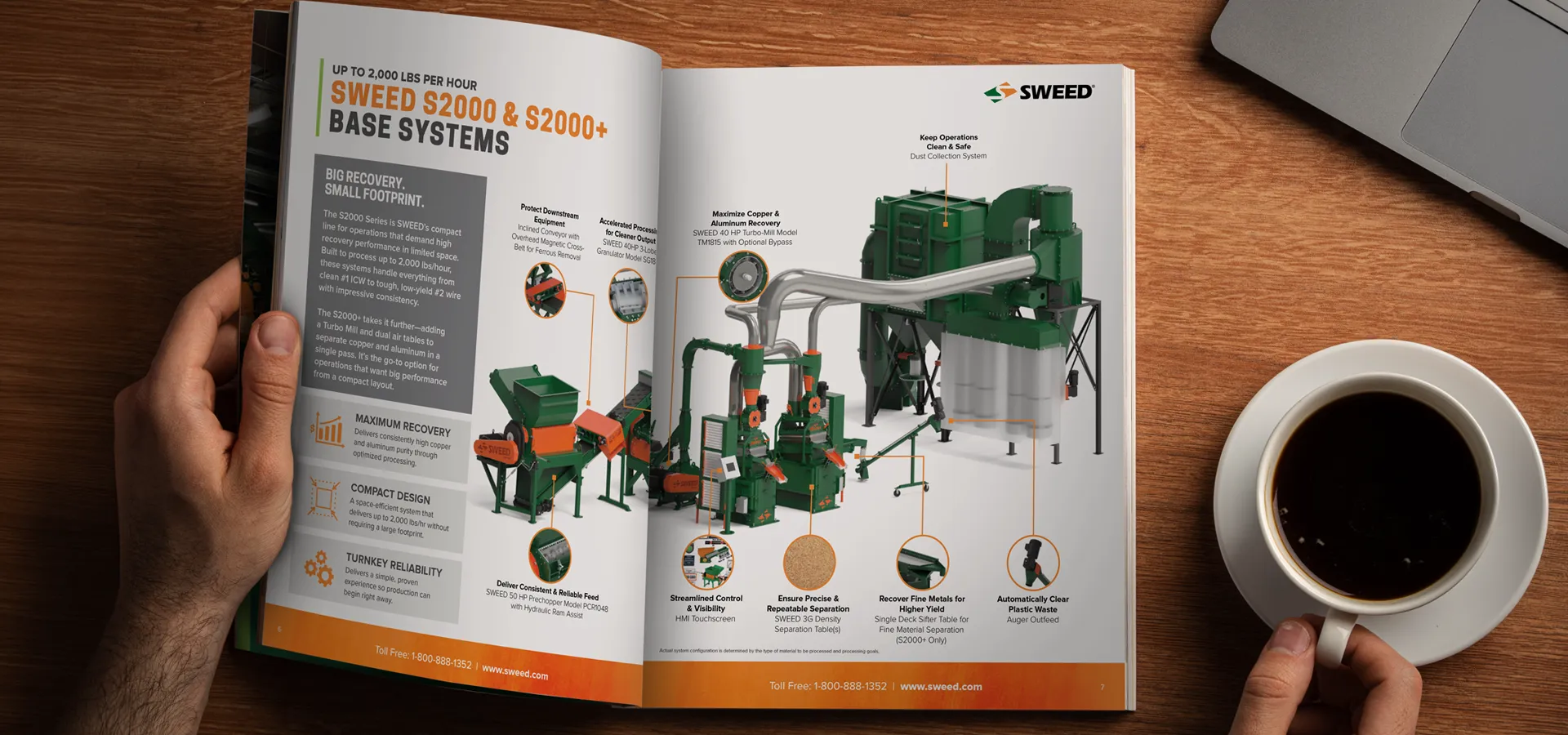
When Sweed Machinery first came to RDG in 2016, there was a stark mismatch between the sophistication of the company’s products and the materials supporting them in the market. Sweed was selling highly technical capital equipment, including material handling systems with six- and seven-figure price tags. Yet at that first meeting, one of the core sales materials on the table was a single-sided, inkjet-printed 8.5 x 11 spec sheet. For equipment at that level, the gap was obvious.

Over nearly a decade, RDG has served as both strategic advisor and execution partner, helping Sweed manage industrial marketing, sales enablement, product communications, websites, trade shows, renderings, and ongoing updates in close coordination with its internal marketing function.

That became the foundation of the relationship. What began with brand and website work grew into a long-term partnership in which RDG helped Sweed build, organize, maintain, and expand the commercial system around its products. Over nearly a decade, RDG has served as both strategic advisor and execution partner, working in close coordination with Sweed’s internal marketing function rather than apart from it.

  • 70+ Years in business
  • 70+ Domestic and international models

The Challenge

Sweed’s challenge was not engineering capability. It was the absence of a coherent system for presenting, selling, and supporting that capability.

Like many manufacturers, Sweed had built real strength in product development and technical expertise long before it had built a modern commercial infrastructure around those strengths. Sales materials were minimal. Information was inconsistent. New projects were often handled individually by a lean internal team managing a wide range of responsibilities. There was no durable architecture for how product information, sales tools, support materials, industry messaging, trade show assets, and digital content should be created, maintained, and updated over time.

That kind of structure gap creates predictable problems in manufacturing environments. Sales reps end up improvising. Materials vary in quality and format. Product information becomes harder to control. Internal teams get pulled into a constant stream of reactive requests. Launching something new creates downstream work across brochures, catalogs, websites, support documents, render files, and segment-specific materials, but no reliable process exists to make sure it all happens cleanly.

Sweed needed more than better-looking collateral. It needed a rational way to organize information across product lines, industries, channels, and workflows so the company could market and support its equipment with the same level of professionalism it brought to building it.

Strategic Direction

RDG approached the engagement as a modernization effort grounded in systems, not isolated deliverables.

The goal was to help Sweed build a commercial infrastructure that could support growth over time: a stronger brand foundation, a more credible web presence, a complete suite of sales and support materials, and a workflow structure that would keep everything current as the business evolved.

That required thinking beyond individual pieces. RDG developed not only brand architecture, but information architecture. Product materials had to be organized in a way that could accommodate different machines, different industries, and different buyer conversations without sacrificing consistency. Messaging had to work across segments. Assets had to be reusable, modular, and easy to update. New products needed to fit into a known process rather than trigger a scramble every time something changed.

Just as important, RDG was built into Sweed’s existing workflow in a way that strengthened the internal team rather than sidelining it. Instead of asking in-house staff to absorb every moving piece themselves, RDG partnered closely with Sweed’s marketing point person and broader internal team to build and maintain the system, keep the library organized, track what needed to be updated, and handle the coordination required to keep the structure working. The value came from adding capacity, continuity, and specialized support around an existing team that already understood the business.

Bringing Strategy Into Execution

Over time, that strategy turned into a broad and durable operating system for Sweed’s marketing and sales support.

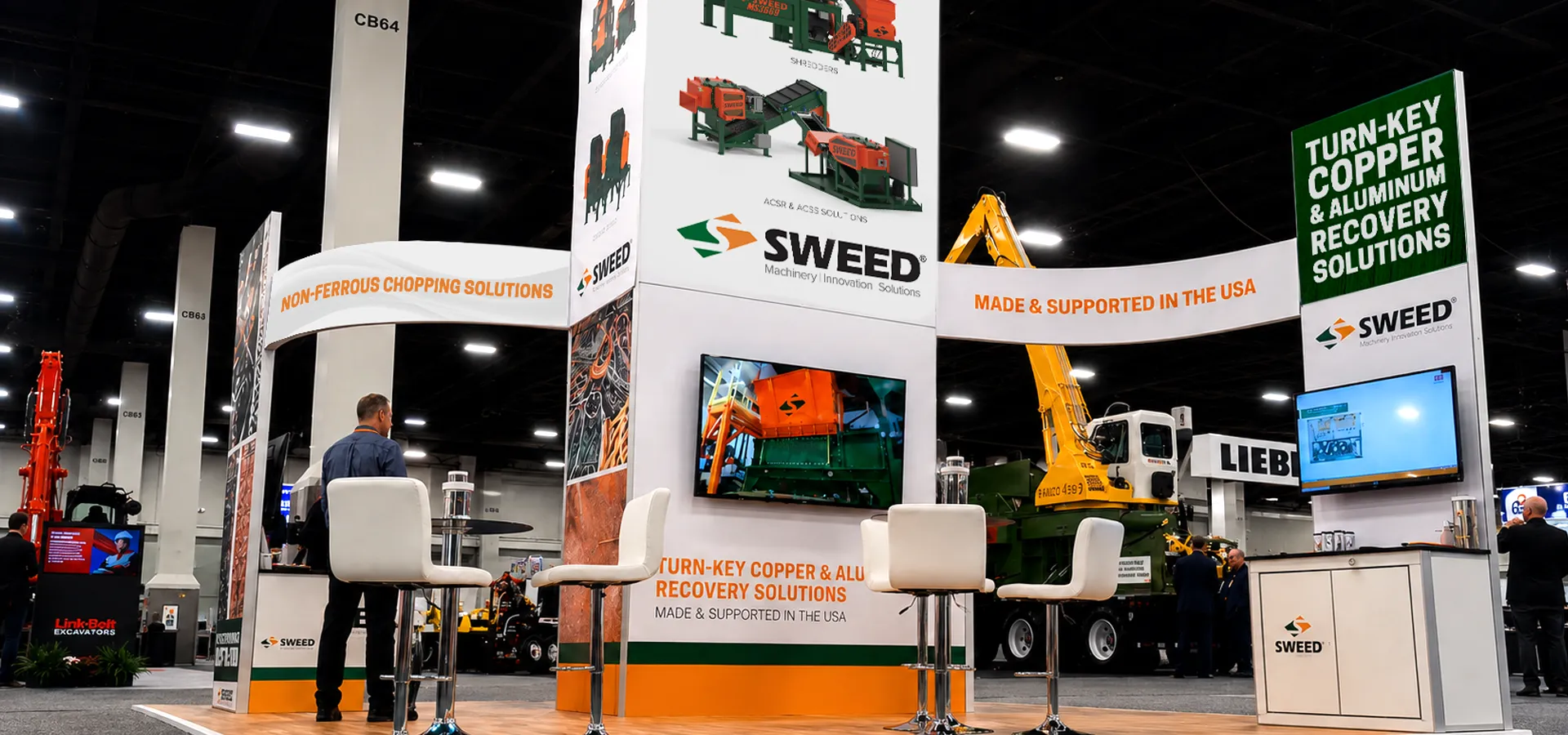
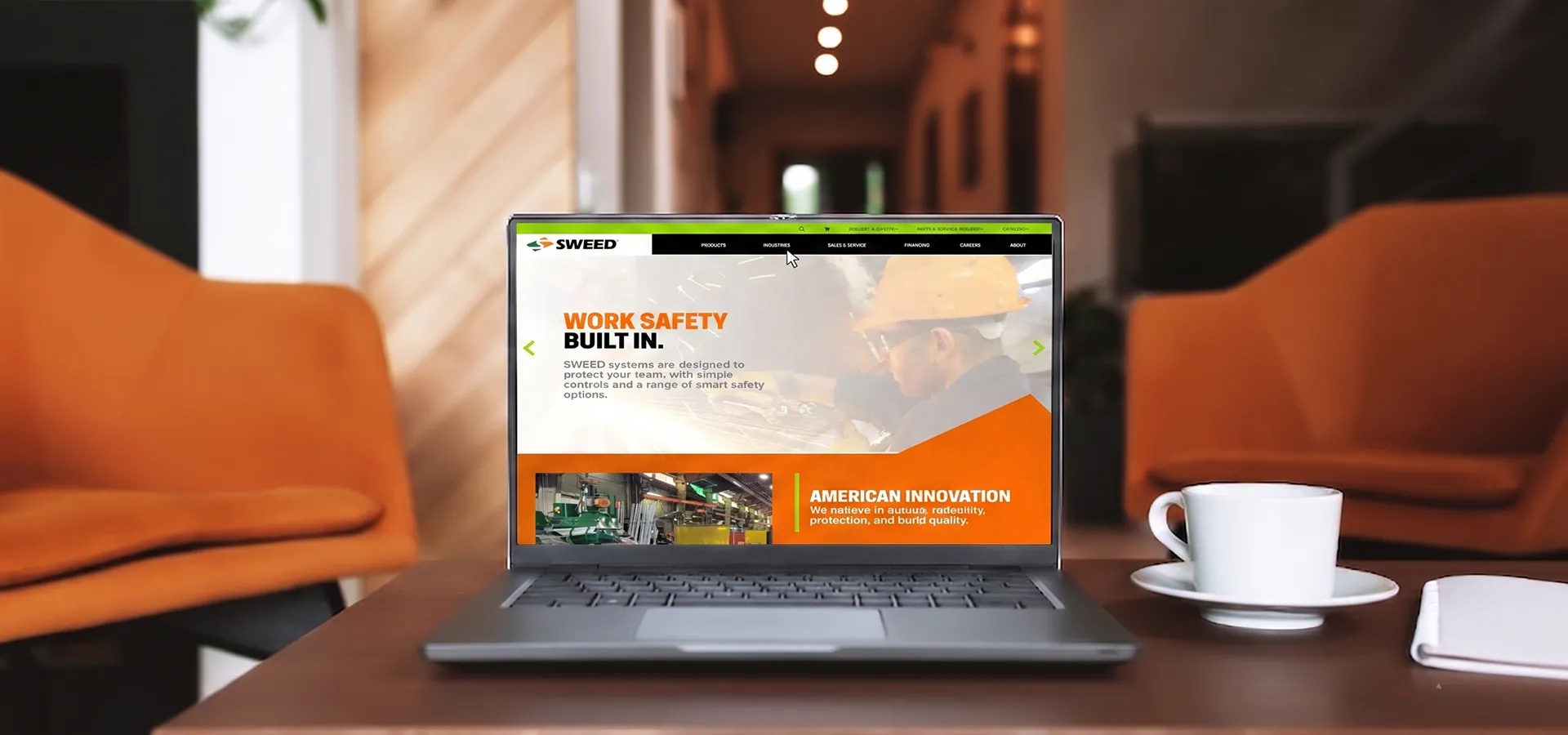
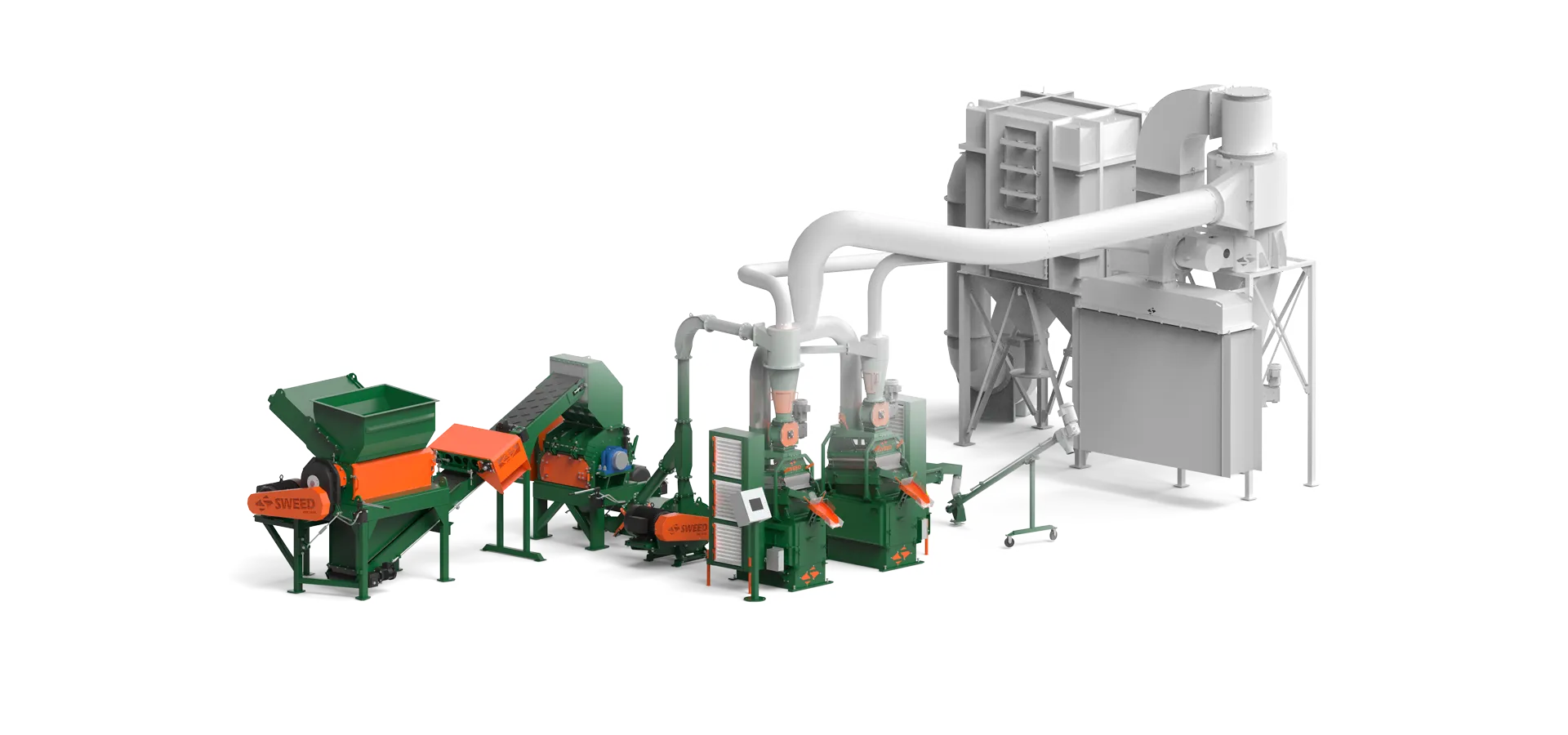
RDG refreshed the brand and built a website that gave Sweed a more credible and useful digital presence. From there, the work expanded into sales collateral, spec sheets, one-sheets, catalogs, trade show booths, display materials, render files, 3D work, paid advertising, and segment-specific brand books and support materials.

A major part of the value came from modularity. Sweed sells different kinds of equipment into different industries, and the sales conversation changes depending on the customer, the application, and the product mix. The materials could not be generic, and they could not be reinvented every time. RDG built a modular system designed to be mixed and matched in bespoke ways while still maintaining visual consistency, information quality, and brand control.

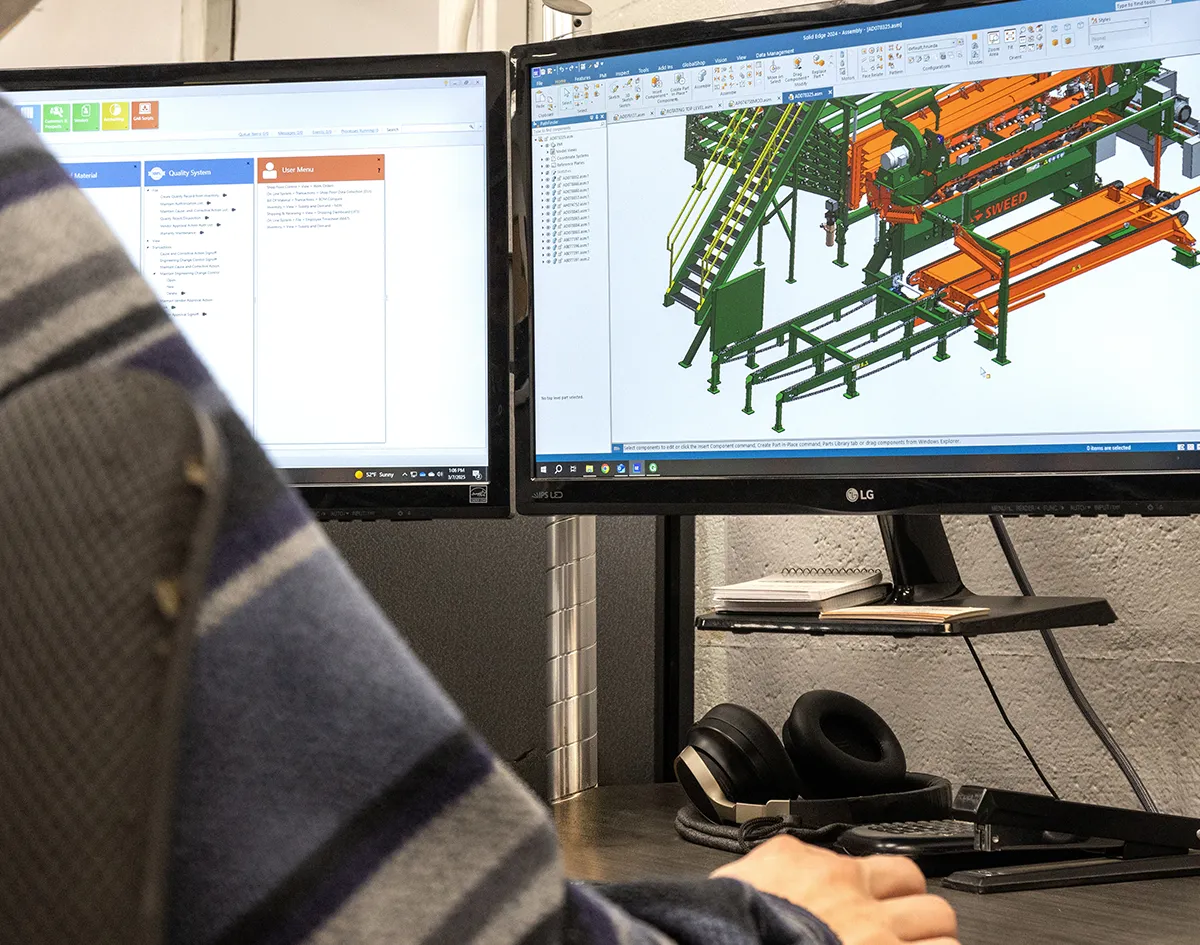
That same thinking shaped workflow. When Sweed creates a new piece of equipment, RDG now works through an established cascade of tasks in close coordination with the internal team. CAD files and specifications come in, and there is a clear process for what follows: create or update the spec sheet, develop the sales one-sheet, revise the catalog, update relevant segment materials and brand books, add the product to the website, generate render assets, and make sure the rest of the support library stays current. The process no longer depends on one internal person trying to track every downstream need manually.

RDG keeps the cascade moving, coordinates the required inputs, and manages the updates across platforms and materials so Sweed’s internal team does not have to reconstruct the process for every product introduction.

RDG also supports Sweed strategically on an ongoing basis. That includes helping the company think through product mix, market segmentation, international positioning, messaging, and how to present itself across the industries it serves. The relationship works because it combines long-range strategic thinking with the practical ability to get the work done, all within a closely coordinated partnership model that supports the internal team’s effectiveness.

Outcomes that Matter

The most important outcome has been structural transformation.

Sweed went from limited sales, marketing, or support infrastructure to having a cohesive, polished, and highly usable system that supports the company across products, segments, and channels. It now has a far more complete sales support library than most manufacturers several times their size, along with the workflows needed to keep that library current.

That has practical consequences across the business. Sales teams are better equipped in the field. Product introductions move faster. Materials are more consistent. Information is easier to maintain. The in-house marketing function is no longer forced to carry an endless series of disconnected one-off requests on its own. Instead, the internal team has a closely coordinated partner that understands the system, helps manage the moving parts, and keeps execution aligned, allowing in-house staff to stay focused on higher-level priorities while remaining actively involved in the work.

The result is a much stronger match between the sophistication of the equipment and the sophistication of the materials supporting it. In industrial sales, that directly affects trust, efficiency, and commercial credibility.

How RDG Helps Manufacturers Modernize

This engagement is a strong example of the role RDG can play for industrial and manufacturing clients.

Many manufacturers are excellent at design, engineering, production, and technical problem-solving, but less equipped to build and maintain the sales, marketing, and support systems those businesses need as they grow. Internal teams are often lean. Materials are inconsistent. Sales reps create workarounds. Product information lives in too many places. New equipment gets launched without a clear process for updating everything around it.

RDG helps solve that problem by working alongside the people already inside the organization.

The firm takes what feels scattered, technical, and hard to manage and turns it into a rational, modular, well-designed system that supports sales, marketing, and internal execution. That can include websites, product collateral, support libraries, trade show systems, paid media, render and 3D work, messaging strategy, contractor management, and the prioritization needed to decide what gets built first. In relationships like this one, the value is not in replacing an internal team. It is in extending that team’s capacity, adding specialized expertise, and creating the structure that allows internal staff to operate more effectively.

Sweed shows what that work looks like over time. RDG did not come in, complete a single project, and disappear. The value came from staying involved, understanding the business in depth, and steadily helping the company build the infrastructure it lacked at the outset while coordinating closely with the internal team responsible for carrying it forward. That is how RDG works best with manufacturers: identify the starting point, establish priorities, build the right system, and keep improving it until the client has the tools and processes needed to operate at a much higher level.

Why This Work Reflects RDG’s Approach

Sweed Machinery reflects the way RDG works best: not as an outside vendor completing isolated projects, but as a long-term steward of an organization’s growth. Over nearly a decade, the relationship has evolved from improving individual marketing materials to helping build the systems, processes, and decision-making structure that support the company’s commercial success. Rather than focusing on one brochure, one website, or one product launch at a time, RDG has worked alongside Sweed’s internal team to create clarity, establish repeatable workflows, and ensure that every new initiative strengthens the larger system. That is stewardship in practice—not simply producing deliverables, but helping an organization become more capable with each passing year.

The relationship also demonstrates RDG’s belief that meaningful progress comes from applied judgment rather than activity alone. Manufacturing companies rarely need more marketing for marketing’s sake; they need thoughtful decisions about priorities, systems, and how limited resources can create lasting value. By combining strategic thinking with day-to-day execution, RDG has become an extension of Sweed’s internal team, helping leadership navigate complexity while ensuring that ideas are translated into consistent action. The result is not simply a stronger brand or a more complete library of sales materials, but a more resilient commercial infrastructure that continues to evolve alongside the business. That is the approach RDG seeks with every client: helping organizations create meaningful progress by bringing clarity to complexity, aligning people around what matters most, and building systems that grow stronger over time.

RDG Brands // Manufacturing + Industrial

What can RDG do for you?

We’re here to find creative solutions, develop tested strategies and action plans that work, and then execute those strategies and plans for successful outcomes.

Find out